
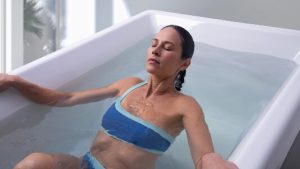
Hot, then cold, then hot again. That is contrast therapy, and it has gone from something you did at a Nordic spa or an athletic training room to something people are setting up in their own backyards.
If you are curious but have no idea where to start, this is the practical version. What the routine looks like, how often people do it, what you need at home, and how to try it before you buy anything.
One thing first, and we mean it: talk to your doctor before you start, particularly if you have any heart condition, high or low blood pressure, take medication, are pregnant, or have any circulatory condition. Hot and cold immersion both put real demand on your cardiovascular system. This article is about how the practice works, not medical guidance, and we are a hot tub dealer rather than a clinic.
What contrast therapy is
Alternating between hot immersion and cold immersion in a deliberate sequence, usually two or three rounds, in one session.
The hot side can be a hot tub or a sauna. The cold side can be a purpose built cold plunge, a cold shower, or an ice bath. The point is the alternation and the contrast between the two, not any particular equipment.
What people describe afterward is a distinctive alert, settled feeling. Whether you find that worth building a routine around is genuinely individual, which is the strongest argument for trying it somewhere before you buy anything for your house.
A simple beginner sequence
A conservative starting structure looks like this.
Starting temperatures and times
- Hot: a hot tub at a comfortable soaking temperature, commonly around 100 to 102 degrees, for roughly 10 to 15 minutes. If you are using a sauna instead, a shorter session at a temperature you are comfortable with.
- Cold: a cold plunge in the upper 50s Fahrenheit to start, for 30 seconds to two minutes. Not the low 40s. Not on your first day.
Beginners consistently make the same mistake, which is going too cold too fast. Water in the upper 50s is plenty cold when you are new to it, and there is no benefit in white knuckling something you dread.
How many rounds
Two to three. Hot, cold, hot, cold, and stop. A whole session is usually 30 to 45 minutes including the standing around, which is part of it.
How to finish
Opinions differ and there is no settled answer. Finishing warm is more comfortable and tends to be better before bed. Finishing cold leaves most people feeling more alert, which suits a morning session. Try both and pick based on how you feel rather than what anyone on the internet insists.
Afterward: dry off properly, get warm at your own pace, and drink water. Do not go straight into anything demanding.
How often should you do it
Most people who keep this up land somewhere between two and four sessions a week. Some do a short cold exposure daily and a full contrast session once or twice.
Start with once or twice a week and see whether you look forward to it. The routine people actually maintain beats the ambitious one they abandon in three weeks. Consistency at a modest level is what makes this a habit rather than a phase.
Sauna, hot tub, or both for the hot side
Either works and they feel different.
A hot tub gives you wet heat, buoyancy, and jets, so the hot phase doubles as hydrotherapy. It is also the easier one to sit in for fifteen minutes, and for most households the more useful piece of equipment overall since it gets used on nights when nobody wants to plunge.
A sauna gives you dry heat at a much higher temperature and a shorter, more intense phase. The traditional Nordic sequence is sauna to cold, and if the ritual is what appeals to you, that is the one to look at.
Plenty of people end up with both, in which case the sauna handles the hot phase and the hot tub becomes the warm recovery at the end.

Cold plunge versus an ice bath or a cold shower
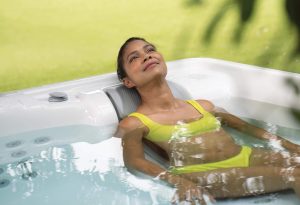
You do not need a cold plunge to try this. You need cold water.
A cold shower is free and it works for getting a feel for cold exposure, though it is hard to get consistently cold and you are not immersed. An ice bath in a stock tank or a tub is cheap to start and quickly becomes a chore, because you are hauling ice, the temperature is different every time, and the water needs changing constantly.
A purpose built cold plunge chills and filters the water and holds a set temperature, so it is the same every time and you never think about ice. That consistency is what turns it from an experiment into a routine, which is why most people who stick with cold exposure eventually stop hauling bags of ice.
What you need at home
Space and siting
Keep the hot and the cold close together. You will be moving between them wet, in whatever the weather is doing, and every extra step is a reason to skip a round. A shared patio area with both units and somewhere dry for towels is the setup that gets used.
In a New Jersey winter, also think about the walk back to the house and where you are standing between rounds.
Electrical and water
A cold plunge needs power for its chiller and filtration, typically a dedicated circuit, and your town will likely want a permit for the electrical work. Fill and drain access matters too, since you will be changing water periodically even with good filtration. Our guide to spa permits in New Jersey covers what to expect.
Chilling, filtration, and upkeep
Cold water still needs sanitizing and filtering, and a plunge is a small volume of water with people getting into it, so it needs attention on a schedule. It is less work than a hot tub but it is not zero.
Vigor and Emerge compared
We carry two cold plunges, and the honest answer on which to choose is that you should look at both and see which suits your space and how you plan to use it.
- Vigor, from the Hot Spring family. See the Vigor beginner Q and A for the detail.
- Emerge, from the Caldera family. See the Emerge beginner Q and A.
Both hold a set temperature with filtration, so you are not managing ice. Come in and we will walk you through the differences in person.
Mistakes beginners make
- Going too cold on day one, which turns the whole thing into something you dread
- Staying in the cold too long, when 30 to 60 seconds is a real session when you are new
- Holding their breath. Slow, controlled breathing out is the whole skill of the cold phase
- Putting the plunge on the other side of the yard from the hot tub
- Treating it as a challenge rather than a routine, and quitting when the novelty goes
- Skipping the doctor conversation because they feel fine
Before you start
Check with your doctor first, especially with any heart or circulatory condition, blood pressure medication, or pregnancy. Do not plunge alone when you are new to it. Do not combine either hot or cold immersion with alcohol. Get out if you feel lightheaded, and do not push through discomfort to hit a number.
Try the full hot and cold sequence in our showroom
Very few dealers in New Jersey have hot and cold on the floor at the same time. We do, which means you can feel the actual sequence rather than reading about it, and find out whether you like it before you spend anything.
Book a test soak, browse cold plunges, or read the cold plunge FAQ.
Frequently asked questions
How cold should a cold plunge be for a beginner?
Somewhere in the upper 50s Fahrenheit is a sensible starting point. That is cold enough to be a real cold exposure without being something you have to psych yourself up for. Work colder gradually over weeks if you want to, not on your first session.
How long should you stay in a cold plunge?
Beginners: 30 seconds to two minutes. That is a complete session. Focus on staying relaxed and breathing out slowly rather than on the clock, and get out if you feel unwell rather than finishing a target.
Should you end hot or cold?
There is no settled answer. Ending warm is more comfortable and generally better before bed. Ending cold leaves most people feeling more alert, which suits a morning session. Try both and go with what you prefer.
How often should you cold plunge in a week?
Most people who keep the habit do two to four sessions a week. Start with once or twice and build only if you are enjoying it. The schedule you will actually keep matters more than the ideal one.
Can you use a hot tub and cold plunge on the same day?
That is exactly what contrast therapy is: alternating between them in one session, usually two or three rounds. Keep the two close together so moving between them is easy, and check with your doctor before starting.