
In most New Jersey townships, yes. A hot tub is a permanent electrical installation in your yard, and that alone usually triggers a permit. Some towns also review the pad or deck it sits on, how far it sits from your property line, and what keeps children out of it.
The rules are set locally, so there is no single statewide checklist we can hand you. What we can do is tell you what towns typically look at, who usually pulls the paperwork, and the questions to ask your own construction office so you are not finding out on delivery day.
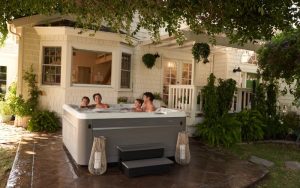
Why a permit is usually involved at all
People are often surprised, because a portable hot tub does not feel like construction. From a township’s point of view it is a large appliance that gets hard wired outdoors, holds several hundred gallons of water, and sits on something that has to carry that weight. Any one of those is a reason for a town to want eyes on it.
The electrical connection is the most common trigger. Most full size spas are wired to a dedicated circuit by a licensed electrician, and that work generally needs a permit and an inspection.
What a township typically reviews
The specifics vary, but these are the four areas that come up most often:
- Electrical. The circuit, the disconnect, and the bonding and grounding around the spa. This is nearly always inspected.
- The base. Whether the pad, patio, or deck can carry the loaded weight of the spa. Decks in particular get scrutiny, since a full spa is much heavier than the furniture a deck was designed for.
- Placement. Setbacks from property lines, easements, and sometimes how much of the lot is already covered by structures and hard surfaces.
- Barriers and covers. Fencing, gates, and lockable covers that keep children out when the spa is not in use.
A few towns also want to know about drainage, or have something to say about where the water goes when you drain the spa.
Who pulls the permit
Commonly the licensed electrician doing the wiring pulls the electrical permit, because it is their work being inspected. If a contractor is building a new pad or reinforcing a deck, that trade usually handles their own paperwork for that portion.
What is left over, which might be a zoning or a general construction application depending on the town, often falls to the homeowner. Ask each trade directly what they are pulling and what they are not. The gap between two contractors each assuming the other filed something is where delays come from.
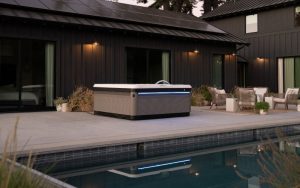
What a hot tub on a deck changes
If the spa is going on an existing deck, get the deck evaluated before you order. Water weighs a great deal, and a deck built to code for people and patio furniture is not automatically built for a filled spa plus bathers.
This is a question for a structural professional or your town’s building department, not for us and not for the internet. Reinforcement is often possible. It is just much cheaper to know about it in advance than to discover it with a spa sitting in your driveway.
How to check with your own town in one phone call
Call your township’s construction or building department and ask these:
- Do I need a permit to install a portable hot tub at my address?
- Is a separate electrical permit required, and does my electrician pull it?
- What are the setback requirements for a spa on my lot?
- Is a fence, a barrier, or a lockable cover required?
- If it is going on a deck, do you need documentation that the deck can support it?
- What is the current turnaround on approval and inspection?
That last one matters more than people expect in the fall. Approval timelines stretch, electricians book up, and the goal for most buyers is being in the water before the weather turns.
Where this fits in your timeline
The order that works: decide where the spa is going, confirm with the town what they require for that spot, get your electrician’s quote and let them pull what they pull, prepare the base, then take delivery. Doing it in that order means the spa arrives into a site that is ready for it.
If you are still working out placement, our post on hot tub location ideas covers base options and the practical considerations that come before the paperwork, and our pre delivery instructions explain what needs to be ready before our team arrives.
Common questions
Do you need a permit for a hot tub in New Jersey?
In most townships, yes, most commonly an electrical permit for the dedicated circuit and inspection. Requirements are set locally, so confirm with your own township’s construction or building department for your specific address.
Do plug and play hot tubs need a permit?
Requirements still vary by town. A plug and play spa avoids the dedicated circuit that usually triggers the electrical permit, but barrier, setback, and base requirements can still apply. Ask your township rather than assuming a plug in model is exempt.
Does a hot tub need a fence in New Jersey?
Barrier requirements are set at the local level and can include fencing, self closing gates, or a lockable safety cover. Ask your township what applies to a spa at your address, and follow it regardless of what is required, because it is a child safety issue first.
Who pulls the permit for a hot tub installation?
Usually the licensed electrician pulls the electrical permit for the circuit they install, and any contractor doing base or deck work pulls their own. Zoning or general construction applications, where required, often fall to the homeowner. Confirm with each trade what they are filing.
Plan the install before you pick the model
The buyers who have the smoothest delivery are the ones who sorted the site first. Book a free in home consultation and we will look at your space, talk through placement and access, and help you get the questions straight before you call the town. You can also visit us in Green Brook, Denville, or Toms River, or call (732) 424-0030.